Key takeaways
- Almonds are low FODMAP at exactly 10 nuts (23 g) — this is a firm limit, not a rough guide.
- At 20 nuts (46 g), almonds become high FODMAP — GOS content doubles and crosses the threshold.
- Almond flour (24 g / ¼ cup) is low FODMAP; larger amounts used in baking can accumulate.
- Almond milk (250 ml, unsweetened) is low FODMAP regardless of the whole-almond limit.
Almonds sit in a frustrating middle position on the FODMAP spectrum: they're not freely safe, but they're not off limits either. Ten nuts is the line, and it matters.
FODMAP status at a glance
- —10 almonds (23 g): low FODMAP
- —20 almonds (46 g): high FODMAP
- —Almond flour, 24 g (¼ cup): low FODMAP
- —Almond butter, 2 tbsp: low FODMAP
- —Unsweetened almond milk (250 ml): low FODMAP
- —Blanched almonds: same limits as whole almonds
The FODMAPs in almonds are GOS (galacto-oligosaccharides) and fructans. These accumulate linearly — the more almonds you eat, the higher the FODMAP load.
Snacking safely on almonds
Other nuts for variety
- —Macadamia nuts (20 nuts): low FODMAP
- —Pecans (10 halves): low FODMAP
- —Walnuts (10 halves): low FODMAP
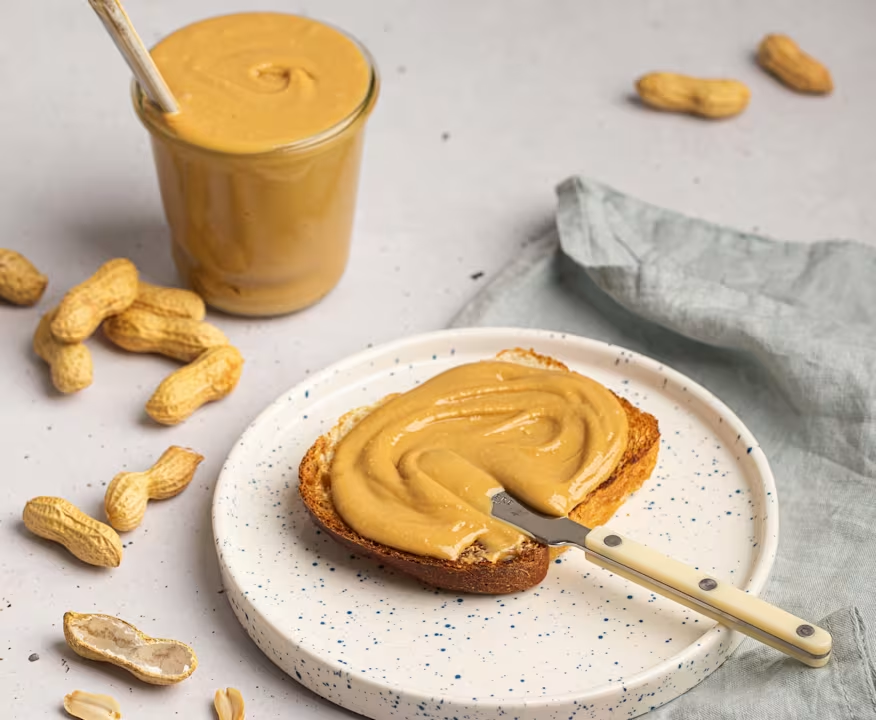
- —Peanuts (32 nuts / 28 g): low FODMAP
- —Cashews (10 nuts): high FODMAP — GOS-heavy
- —Pistachios: high FODMAP
References
- 1.