FODzyme: Can You Actually Eat Garlic and Onion Again?
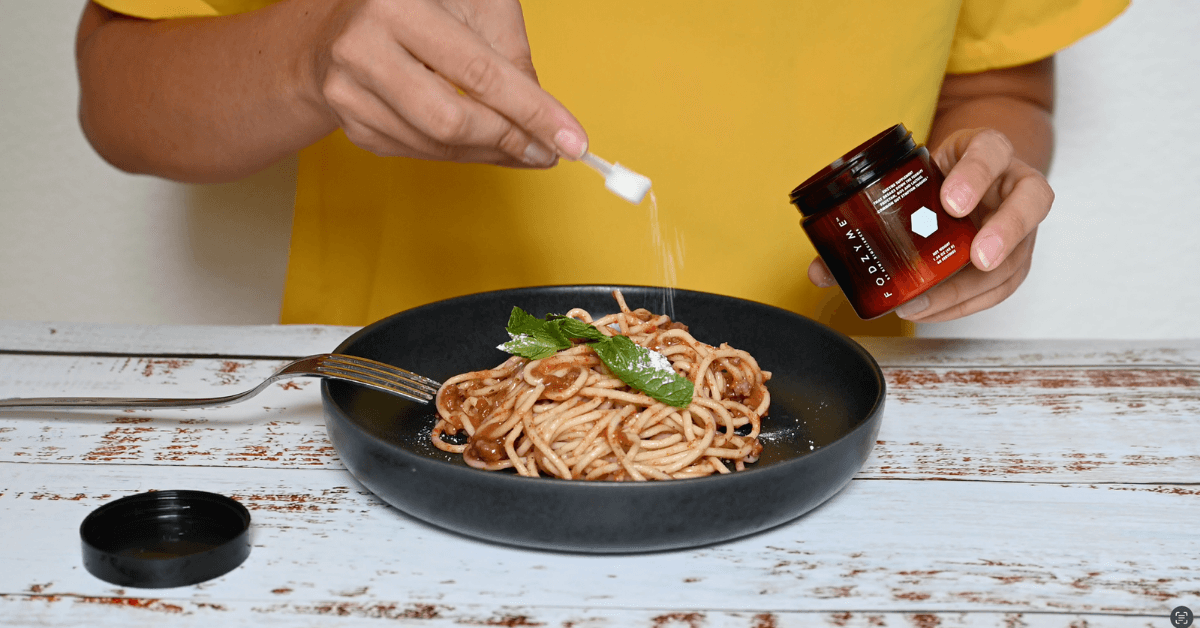
FODzyme is a digestive enzyme that breaks down fructans — the FODMAP in garlic, onion and wheat — before they ferment in the colon. The evidence is meaningful but has limits.
Long-form articles built from peer-reviewed research and current Monash University guidance — plain-English, no supplement ads, every claim sourced.

FODzyme is a digestive enzyme that breaks down fructans — the FODMAP in garlic, onion and wheat — before they ferment in the colon. The evidence is meaningful but has limits.

Milkaid is a lactase enzyme you take before dairy. What most people don't know: the flavoured version sold in pharmacies can add a separate trigger for IBS sufferers.
A Monash University crossover trial showed fructans, not gluten, trigger IBS symptoms in people who think they're gluten-sensitive. The implications for how you eat are practical.
Endo and exo inulinases both break down fructans, but the endo enzyme works meaningfully faster within the short window of the small intestine. Cheaper supplements often use the slower exo type.
Psyllium husk has stronger evidence than almost anything else in the gut-health aisle. It helps both IBS-D and IBS-C, doesn't ferment at normal doses, and costs almost nothing.
The tTG-IgA blood test is the standard first step for diagnosing coeliac disease — but if you've already cut out gluten, it will almost certainly come back negative even if you have coeliac. Here's what you need to know before you test.
Unripe bananas are low FODMAP; overripe ones are high in free fructose. Ripeness and portion size both matter enormously.
Avocado contains sorbitol and mannitol but is low FODMAP at a small 30 g (one-eighth) serving. Larger portions are a common IBS trigger.
Plain rolled oats are low FODMAP at 52 g dry. Oatmeal is a safe, filling, high-fibre breakfast option for most people with IBS.
Plain black coffee — espresso, filter, instant — is low FODMAP. Milk additions, flavoured syrups, and large volumes are the common pitfalls.

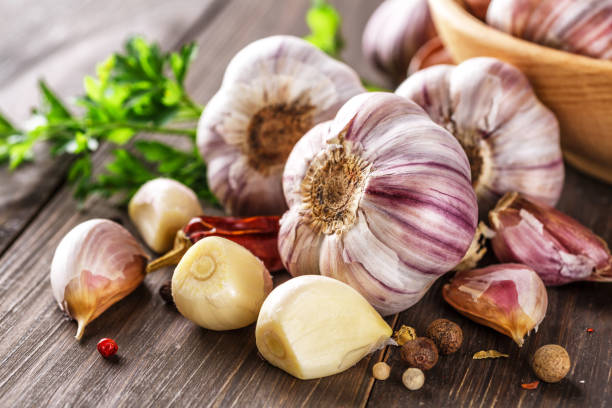
Fresh garlic is high FODMAP in any amount. Garlic-infused olive oil is the established low-FODMAP workaround that actually delivers the flavour.
All varieties of onion — white, brown, red, shallot — are high FODMAP. The green tops of spring onions are the one exception that is genuinely low FODMAP.
Broccoli heads (florets) are low FODMAP at 75 g. Broccoli stalk is higher in fructans and should be kept to very small portions.
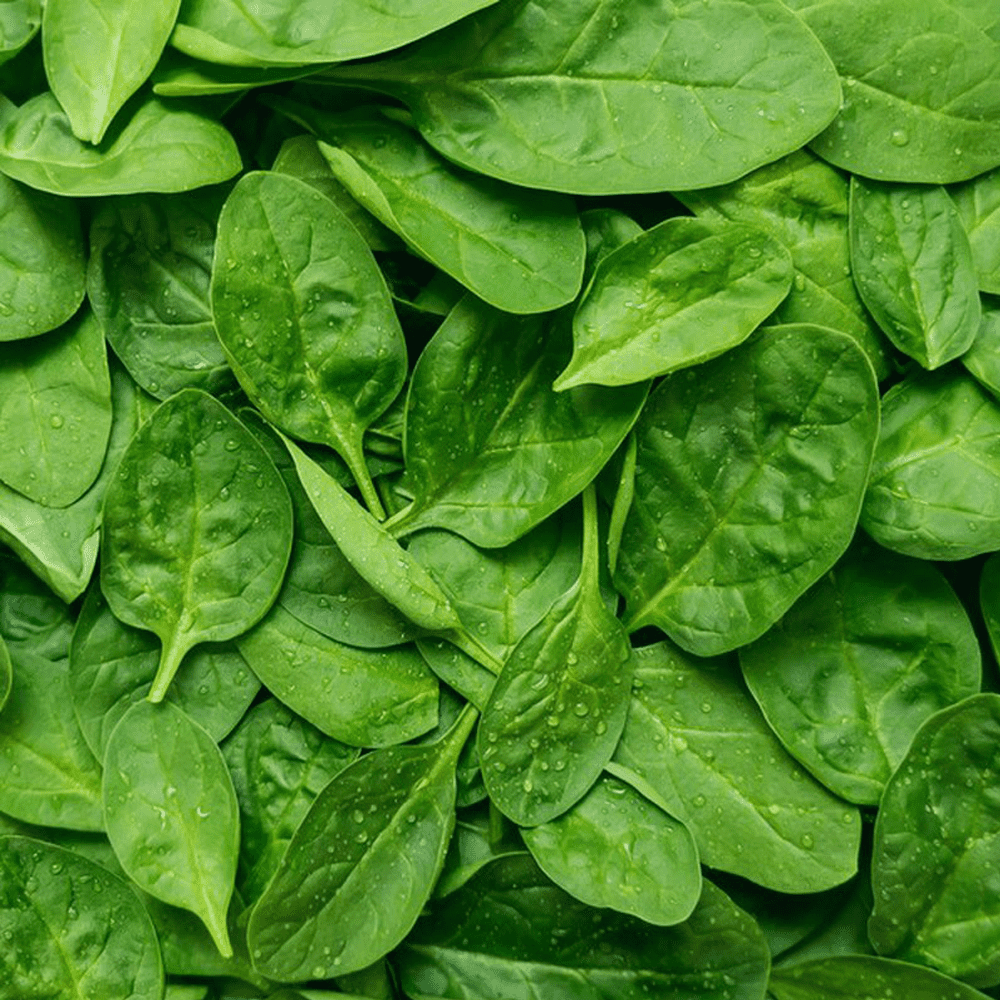
Baby spinach is low FODMAP at 75 g. It's one of the safest, most nutrient-dense greens you can eat on a low-FODMAP diet.
Strawberries are low FODMAP at 10 medium berries (150 g). They contain no excess fructose, no sorbitol, and no lactose.
Apples are high FODMAP at any meaningful serving size due to high fructose and sorbitol content. Even one small apple exceeds safe limits.
White rice, brown rice, basmati, jasmine — all are low FODMAP at typical serving sizes. Rice is a cornerstone of low-FODMAP meal planning.
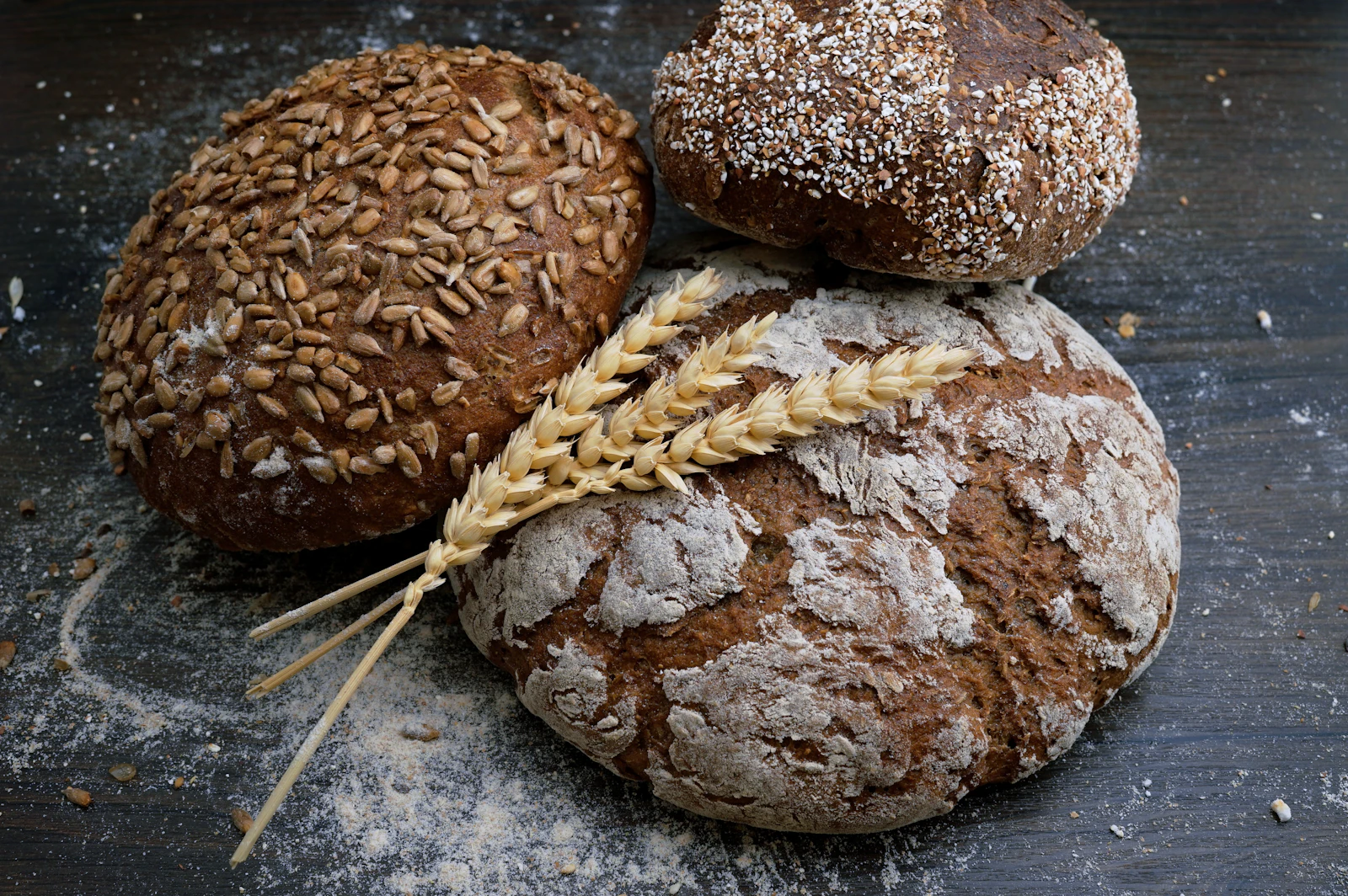
Standard wheat bread is high FODMAP due to fructans. Sourdough fermentation reduces fructans significantly. Certified gluten-free bread is low FODMAP.
Regular cow's milk is high FODMAP due to lactose. Lactose-free cow's milk, A2 milk aside, is a reliable low-FODMAP swap. Plant milks vary.
Cheddar, parmesan, brie, and camembert are all low FODMAP — lactose is expelled in the whey during cheesemaking. Ricotta and cottage cheese are high FODMAP.
Eggs contain no FODMAPs. They are safe in any quantity and preparation method, making them one of the most reliable foods in the low-FODMAP toolkit.
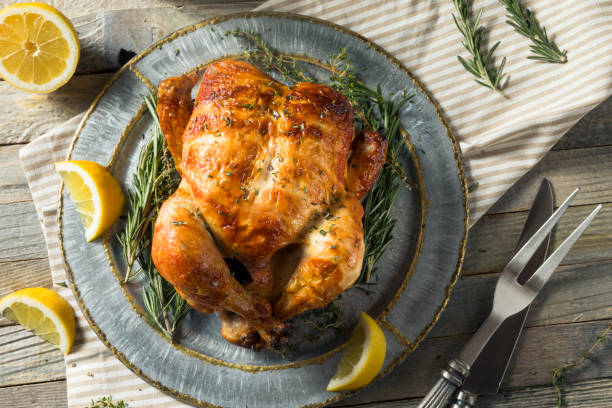
Plain chicken breast, thigh, or any cut is completely low FODMAP. Garlic, onion, wheat flour coatings, and flavoured marinades are where the problems arise.
Plain salmon — fresh, frozen, or tinned — contains no FODMAPs. It's safe in any portion and one of the most nutritionally valuable foods on the diet.
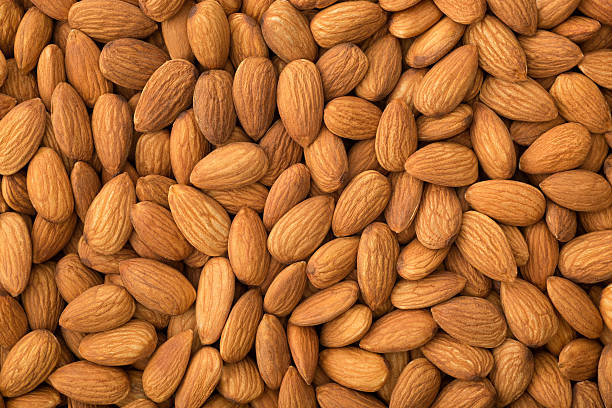
Almonds are low FODMAP at exactly 10 nuts (23 g). Beyond that, GOS and fructan content rises rapidly. Almond flour is similarly portion-sensitive.
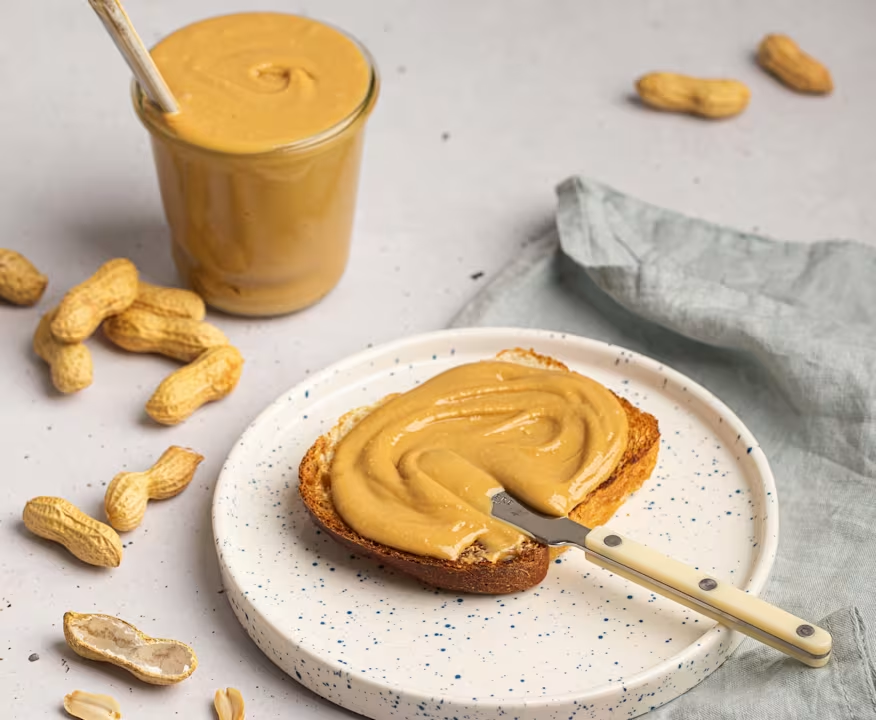
Plain peanut butter is low FODMAP at 2 tablespoons (32 g). Watch for added honey, high-fructose corn syrup, or inulin in flavoured brands.
Firm and extra-firm tofu are low FODMAP at normal serving sizes. Silken tofu retains GOS from soy and is high FODMAP.
One medium fresh tomato (65 g) is low FODMAP. Tomato paste, sun-dried tomatoes, and large quantities of tinned tomato can accumulate FODMAPs.
Carrots are low FODMAP at any normal serving size. They contain no significant amounts of any FODMAP class and are one of the safest vegetables available.
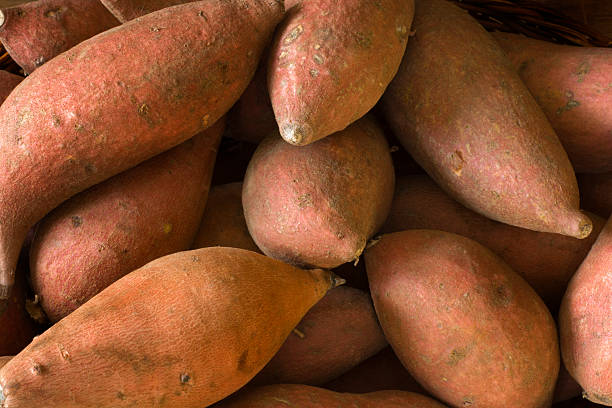
Sweet potato is low FODMAP at 70 g. Beyond that, mannitol content rises and becomes symptomatic for many people. Kumara behaves similarly.
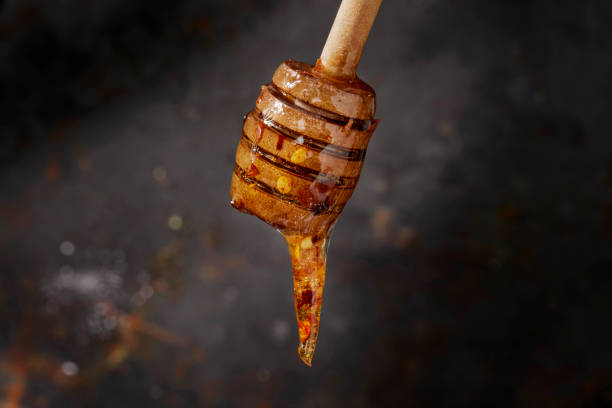
Honey is high FODMAP due to its high free fructose content. Even a teaspoon is enough to trigger symptoms in fructose-sensitive IBS patients.
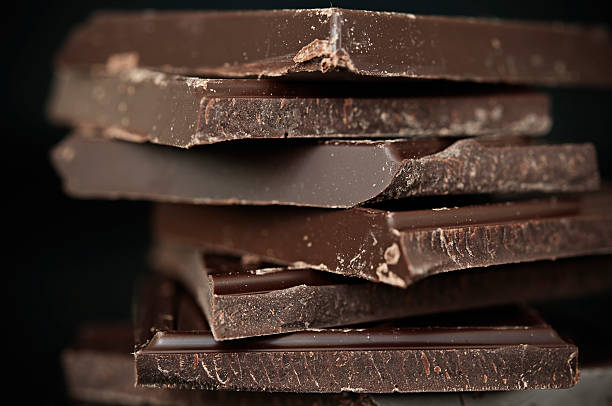
Dark chocolate (>70% cocoa) is low FODMAP at 30 g. Milk chocolate is higher in lactose and often lower-rated. Portion control is key.
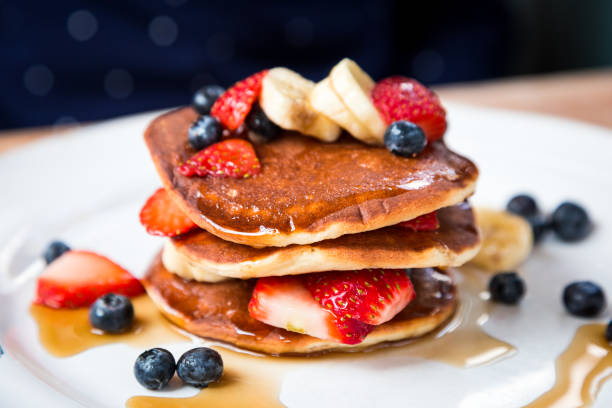
Pure maple syrup is low FODMAP at up to 2 tablespoons (53 g). It's the most versatile natural sweetener on the low-FODMAP diet.
Dry wine — red, white, or rosé — is low FODMAP at one standard 150 ml glass. Sweet wines, dessert wines, and wine with mixers require more care.
One standard can or glass of beer (375 ml) is low FODMAP. The fermentation process eliminates most fructans from the barley. Gluten-free beer is also safe.
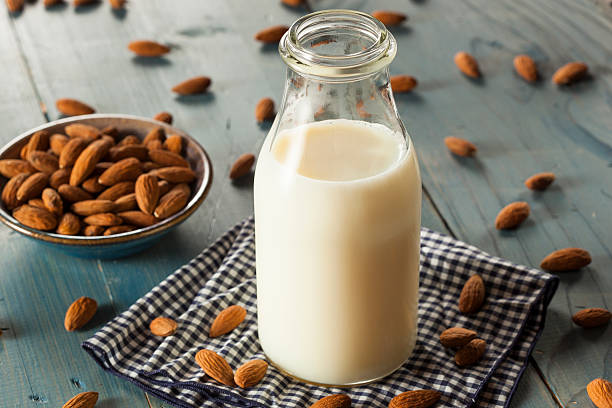
Unsweetened almond milk is low FODMAP at 250 ml. Flavoured, sweetened, or protein-enriched versions may contain high-FODMAP additives.
Blueberries are low FODMAP at 40 g (about 28 berries). At 80 g, excess fructose becomes a problem. They're worth including, but portion control matters.
Mango is low FODMAP at 40 g (about 2 small cubes). A standard eating portion of mango is high FODMAP due to excess fructose.
White, red, and yellow potatoes are low FODMAP at generous serving sizes. Plain mashed, boiled, roasted, or baked potato is completely safe.
Cauliflower is high FODMAP even at 100 g due to mannitol and fructan content. It's one of the more counterintuitive vegetables on the diet.
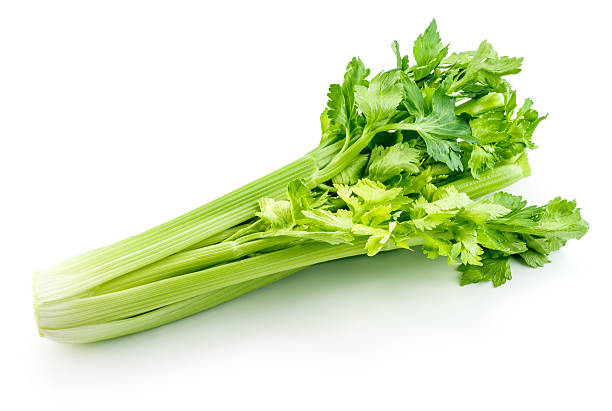
Celery is high FODMAP due to mannitol. One small stalk (10 g) is the maximum low-FODMAP portion — not a practical eating amount for most dishes.
Fresh pineapple is low FODMAP at 130 g. It contains no excess fructose, no polyols, and minimal fructans — making it freely safe at normal portions.
Watermelon is high FODMAP at any practical serving size. It contains both free fructose and mannitol, making it one of the most potent fruit triggers for IBS.
A medium orange (130 g) is low FODMAP. Orange juice in larger amounts may be higher — whole fruit is always the safer choice.
Lemon juice and zest are low FODMAP in the amounts used in cooking and dressings. Lemon is a reliable, flavour-forward ingredient with no gut concerns.
Cucumber is low FODMAP at any typical serving size. It contains no significant FODMAPs and is one of the most reliable salad and snacking vegetables available.
Red, yellow, and orange bell peppers are low FODMAP at 52 g. Green bell pepper is slightly higher in fructans but still manageable in small portions.
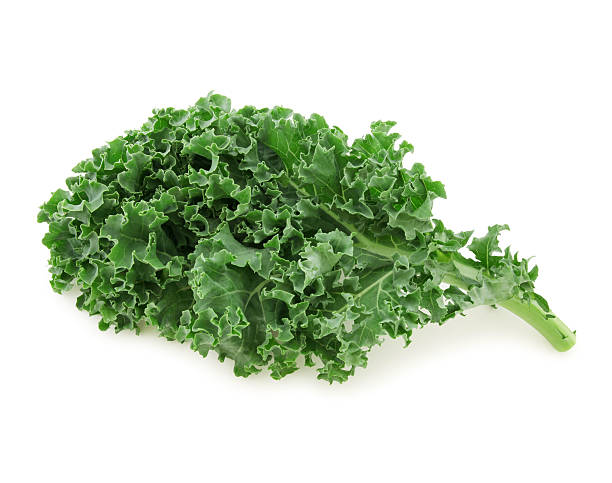
Kale is low FODMAP at 75 g. It's one of the most nutritious leafy greens available and a reliable low-FODMAP choice for salads, soups, and smoothies.
Red and green grapes are low FODMAP at up to 19 grapes (130 g). They're a reliable snack fruit with no excess fructose or polyol concerns.
Wheat pasta is low FODMAP at 74 g cooked. Gluten-free pasta (rice, corn, or quinoa base) is unambiguously low FODMAP at normal serving sizes.
Plain, strained Greek yogurt can be low FODMAP at 170 g if enough whey (and lactose) has been drained off. Unstrained Greek-style yogurt is high FODMAP.
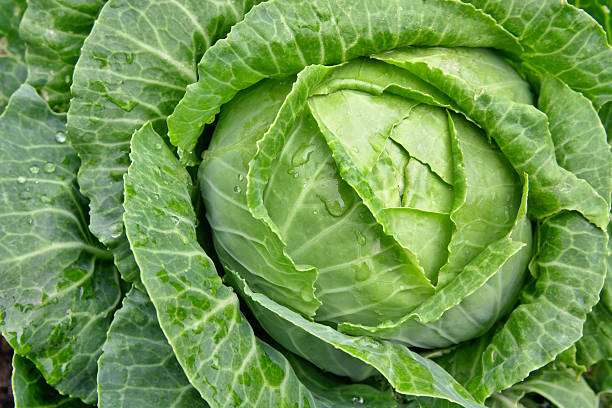
Green (common) cabbage is low FODMAP at 75 g. Savoy cabbage has slightly higher FODMAP content. Both are manageable with careful portions.
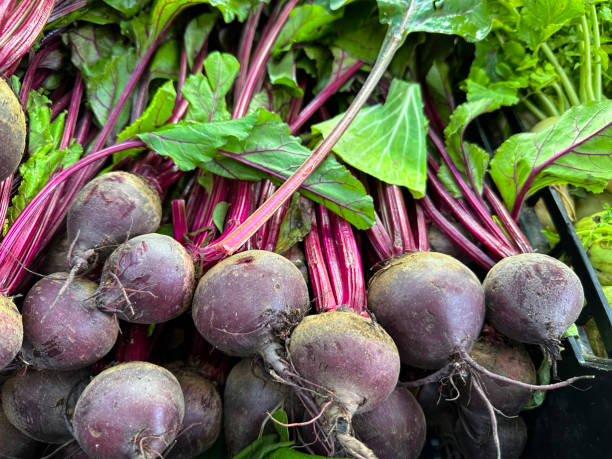
Beetroot is high FODMAP at eating portions due to fructans and GOS. Even two small slices exceed the threshold for many people.
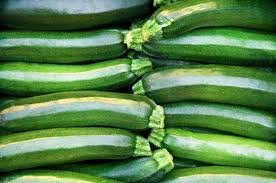
Zucchini (courgette) is low FODMAP at 65 g. Larger portions increase mannitol load. It's a practical vegetable for low-FODMAP cooking and a popular pasta substitute.
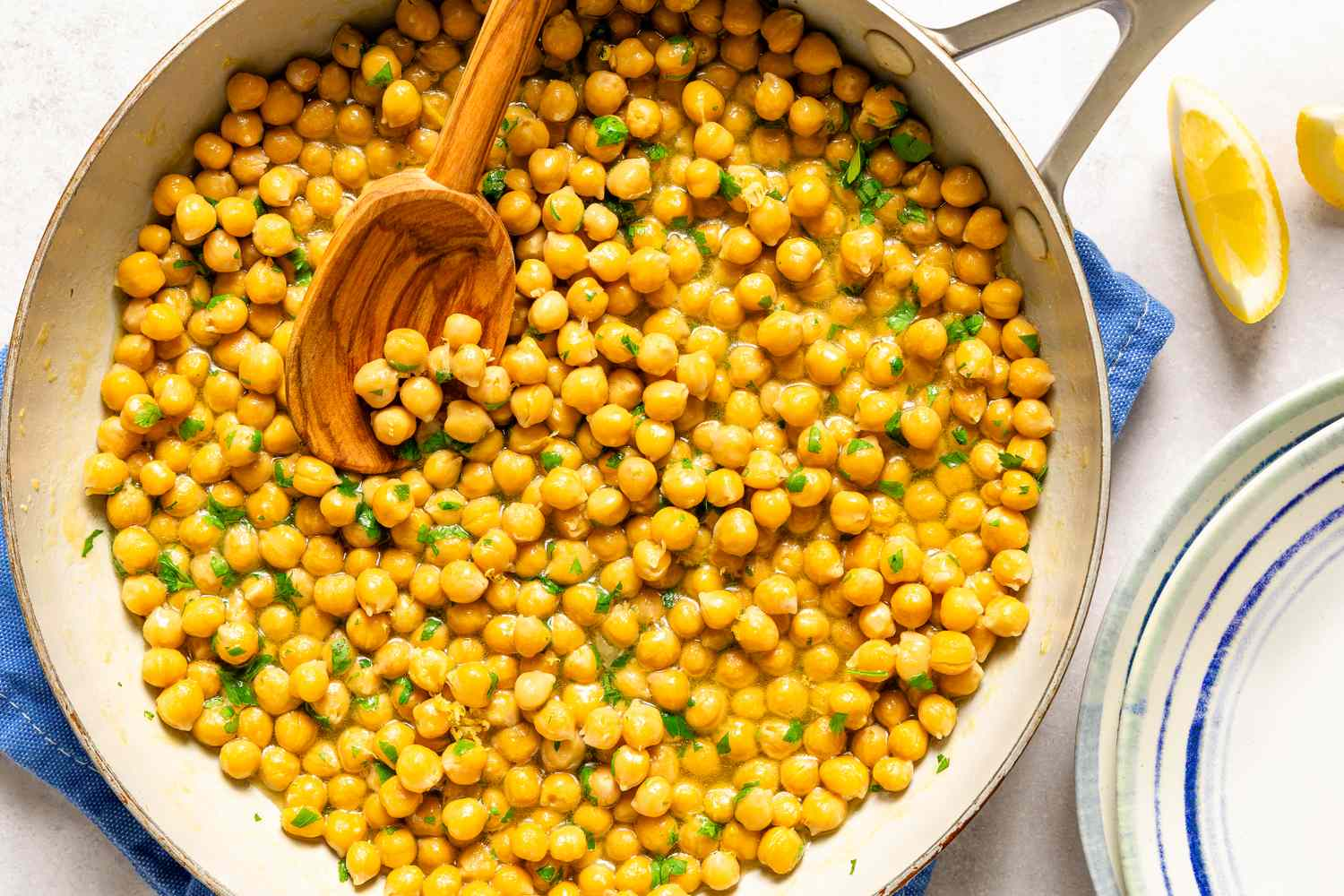
Canned chickpeas rinsed under water are low FODMAP at 42 g. Beyond that, GOS accumulates rapidly and becomes a common IBS trigger.
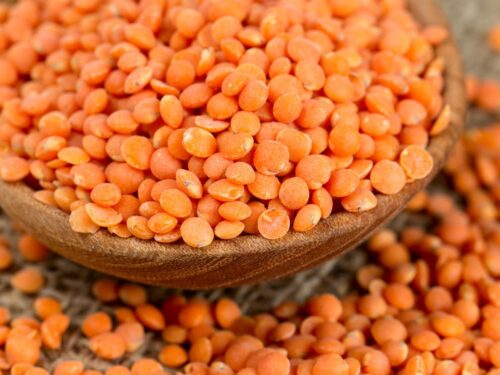
Canned red or green lentils, drained and rinsed, are low FODMAP at 46 g. Larger amounts are high FODMAP due to GOS and fructan accumulation.
Canned pumpkin puree is low FODMAP at 75 g. Fresh pumpkin varies by variety. Butternut squash is high FODMAP and not a safe swap.
Soy sauce is low FODMAP at 2 tablespoons. Tamari is a gluten-free alternative that is also low FODMAP and delivers the same umami flavour.
Quinoa is low FODMAP at 155 g cooked (1 cup). It's a complete protein, high in fibre, and one of the most versatile grains for low-FODMAP meal planning.
Every article is written against primary sources — clinical trials, Monash University FODMAP research, and peer-reviewed gastroenterology journals. We don't accept paid placements or affiliate commissions from supplement brands, and each article is dated and updated as the evidence changes.