Key takeaways
- Black coffee (espresso, filter, instant) is low FODMAP — no significant FODMAP content.
- Milk is the most common IBS problem with coffee — use lactose-free or a certified low-FODMAP plant milk.
- Flavoured syrups, especially caramel and hazelnut, often contain high-fructose corn syrup or chicory root.
- Caffeine itself can independently stimulate the gut — even low-FODMAP coffee can worsen IBS-D via this mechanism.
If you have IBS, the prospect of giving up coffee is a grim one. Fortunately, you don't have to — at least not for FODMAP reasons. The coffee itself is fine. The variables that cause problems are milk, syrups, and volume.
FODMAP status at a glance
- —Espresso (1–2 shots): low FODMAP
- —Filter / drip coffee (250 ml): low FODMAP
- —Instant coffee (1 tsp / 250 ml): low FODMAP
- —Chicory coffee blends: high FODMAP — chicory root is inulin/fructan
- —Coffee with regular milk: high FODMAP — lactose from milk
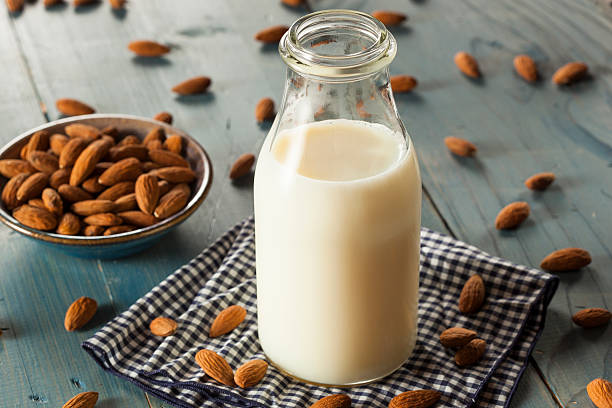
Sorting out your milk
Oat milk deserves a special mention: some brands are low FODMAP, others aren't. The concentration of GOS varies by production method. Look for Monash-certified options if oat milk is your preference.
Caffeine as a separate gut irritant
Even with perfect FODMAP compliance, caffeine stimulates the gastrocolic reflex — the wave of muscle contractions that moves content through the colon. In people with IBS-D (diarrhoea-predominant), this can trigger urgency regardless of the FODMAP status of the coffee. If symptoms persist despite switching to low-FODMAP milk, consider reducing overall caffeine intake rather than eliminating coffee entirely.
References
- 1.
- 2.Rao SSC et al. — Is coffee a colonic stimulant? — European Journal of Gastroenterology & Hepatology, 1998