Key takeaways
- A 2017 Monash crossover trial on people who thought they were gluten-sensitive found fructans — not gluten — caused the symptoms.
- Gluten-free diets work because most gluten-containing foods are also high in fructans.
- Gluten-free products often add inulin or chicory root — both fructans — as fibre.
- Genuine long-fermented sourdough is usually tolerated because the starter breaks down most of the fructans.
A lot of people with IBS try going gluten-free, feel noticeably better, and conclude they're gluten-sensitive. It's a reasonable conclusion — but it's probably wrong.
In 2018, Skodje and colleagues at the University of Oslo — working with the Monash group — ran a double-blind crossover trial on 59 people who believed they had non-coeliac gluten sensitivity. Each participant cycled through three diets: high-gluten, placebo, and fructan-containing. The result was clear. Fructans — not gluten — triggered significantly more bloating, gut pain and wind. On the low-fructan diet, symptoms dropped substantially. On the gluten variations, not so much.
Why gluten-free still works
Most foods that contain gluten also contain fructans. Wheat, rye and barley are all high-fructan grains. When you remove gluten from your diet you're also removing fructans. Symptoms improve, and gluten gets the credit.
This matters practically because gluten-free and low-fructan are not the same thing. Gluten-free products often contain:
- —Apple or pear juice (high excess fructose)
- —Honey (high excess fructose)
- —Inulin — a fructan added as a prebiotic fibre, often for texture and "gut health" marketing
- —Chicory root extract — another concentrated fructan source
A gluten-free bread made with inulin can trigger IBS symptoms as reliably as regular bread. The label says gluten-free. The FODMAP content says otherwise.
The sourdough exception
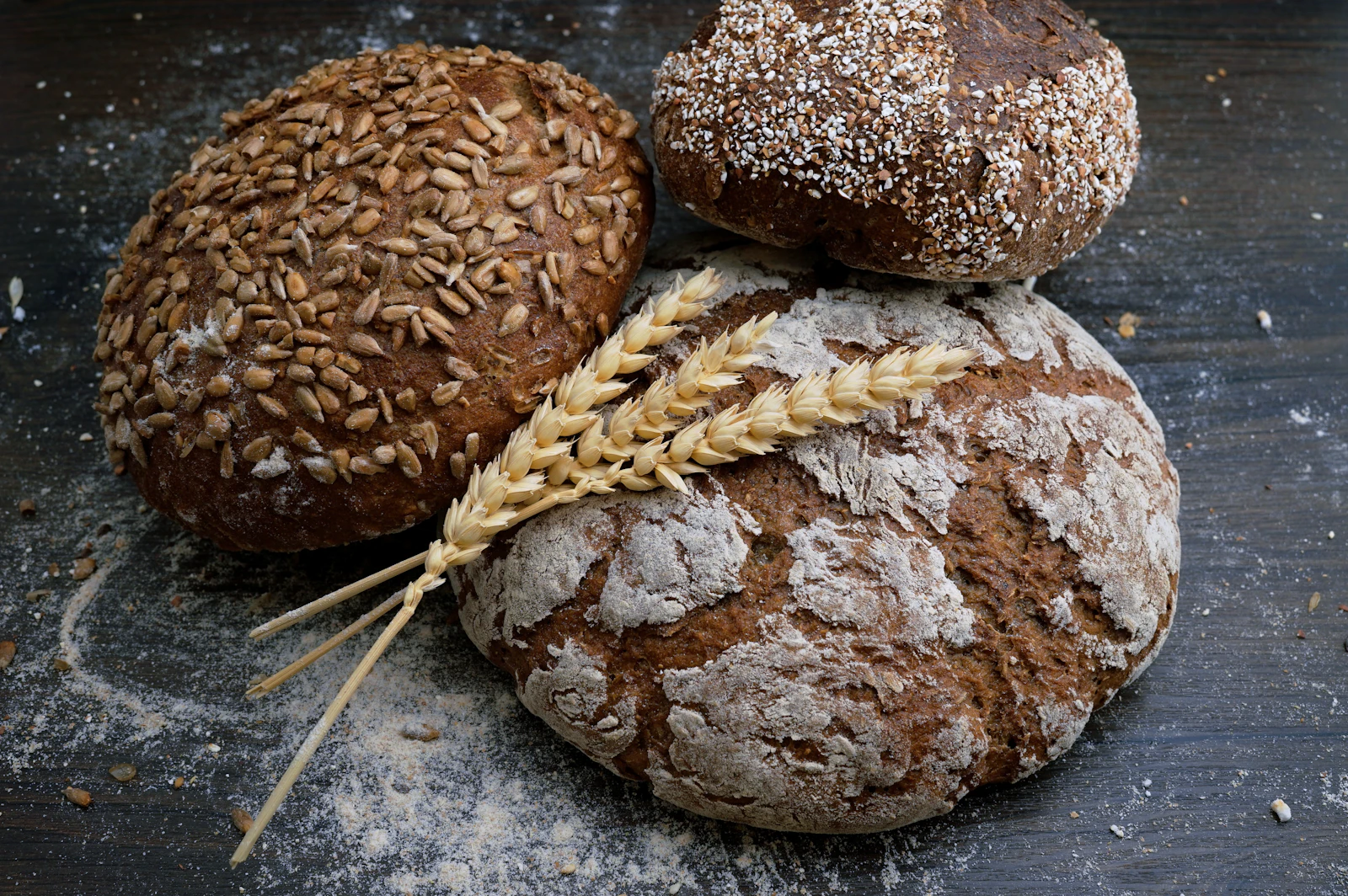
Traditional sourdough is often tolerated by IBS sufferers even though it's made from wheat. The long fermentation process — 8–12 hours with a live starter culture — allows bacteria in the dough to break down most of the fructans before the bread reaches you. By the time it's baked, the fructan content is substantially lower.
What this means for testing
If you've never done a proper FODMAP elimination and reintroduction, you don't actually know whether gluten is a problem for you. (If you have coeliac disease, that's a different situation — coeliac is an immune response to gluten itself and requires strict avoidance regardless.) For everyone else, the fructan reintroduction challenge — not the gluten one — is the relevant experiment.
The practical upside: if fructans rather than gluten are the issue, your restrictions are different and often more manageable. Gluten-free means avoiding a protein found in many grains. Low-fructan means watching specific foods — and at the right serving sizes, many gluten-containing foods (sourdough, small amounts of pasta) may still be on the table.
References
- 1.Skodje GI, Sarna VK, Minelle IH, et al.. Skodje et al. — Fructan, rather than gluten, induces symptoms in NCGS (2018) — Gastroenterology, 2018
- 2.Biesiekierski et al. — No effects of gluten in NCGS after low-FODMAP diet — Gastroenterology, 2013
- 3.